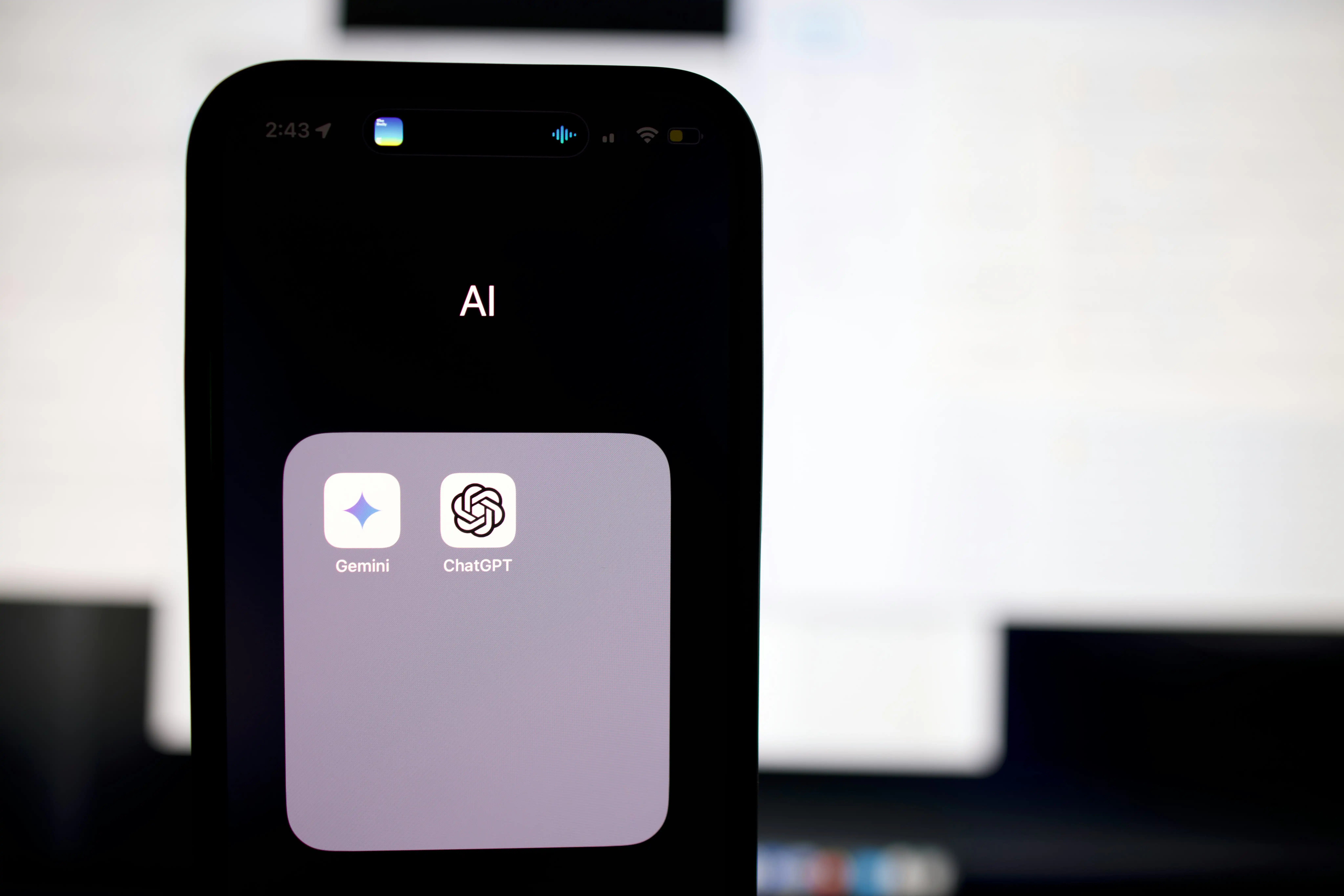
An AI policy for ChatGPT is no longer optional. Staff already use tools like ChatGPT and Gemini at work, often without clear rules. Without a simple, practical AI policy for ChatGPT and other generative AI tools, your business risks data leaks, compliance issues and confused teams.
In the KPMG Generative AI survey, only 5% of U.S. executives said they have a mature responsible AI governance program, while almost half plan to build one but haven’t yet. The pattern is similar in Australia: businesses adopt AI faster than they put guardrails around it.
With the right policy and a trusted IT partner such as Microsavvy, you can use AI to boost productivity while still protecting clients, staff and your reputation.
Why your business needs an AI policy for ChatGPT
Generative AI appeals to businesses because it:
- Drafts emails, reports and marketing copy in seconds
- Summarises long contracts, proposals and technical documents
- Assists with research and analysis
- Helps triage and route customer enquiries
Recent guidance from the U.S. Department of Commerce and NIST focuses on safer, more trustworthy AI systems, including tools that support risk management and transparency.
For Australian organisations, the same principles sit alongside local obligations, including the Privacy Act 1988 and the Notifiable Data Breaches (NDB) scheme. A clear AI policy for ChatGPT helps you get the benefits of AI while still respecting privacy, security and contractual requirements.
5 practical rules to govern ChatGPT and generative AI
These five rules form a straightforward generative AI policy you can apply in any professional services or SMB environment.
Rule 1: Set clear boundaries before you begin
Start with scope. Your AI policy should state:
- Where staff can use AI (for example, drafting internal documents, summarising non-confidential material)
- Where they must not use AI (for example, sensitive HR matters, final legal advice, highly confidential bids)
- Which AI tools the business approves and who can use them
Link these boundaries to your privacy and data-handling rules so staff treat AI like any other system that might hold client or personal information.
Rule 2: Keep humans in the loop
AI outputs often sound confident, even when they are wrong, biased or incomplete. Your AI governance framework should make it clear that:
- AI supports people; it does not replace professional judgement
- A human reviews AI-generated content before it goes to clients or the public
- Important internal decisions never rely on AI alone
Copyright guidance also matters. The U.S. Congressional Research Service notes that many purely AI-generated works may not qualify for copyright protection because they lack human authorship. While that is U.S. law, the direction of travel is clear: keep people meaningfully involved so your organisation can claim ownership of key work products.
Rule 3: Make AI use transparent and log key activity
You need visibility over how your team uses AI. Build simple logging into your AI policy for ChatGPT:
- Who used the tool
- When they used it
- Which model or platform they chose
- The prompts and outputs for higher-risk work
This record gives you a usable audit trail. For example, you can later see who used AI to draft a client proposal, what prompt they entered and how they edited the output before sending. That level of traceability supports internal reviews, client questions and regulatory investigations, and it aligns well with wider security controls such as those in Microsavvy’s cybersecurity services.
Rule 4: Protect data and intellectual property
Every prompt is data leaving your organisation. If staff paste client names, financials or health information into public AI tools, they may breach contracts, privacy law or professional obligations.
Your generative AI policy should:
- Ban entry of confidential, personal or contract-protected data into public tools
- Require the use of approved, secure AI environments for any sensitive work
- Explain how AI platforms store, retain and process data so staff understand the risk
This rule brings your AI policy for ChatGPT in line with your existing security, privacy and compliance work. An IT partner can help by aligning policy with technical controls such as data loss prevention, access management and monitoring, through services like managed IT, security and compliance consulting.
Rule 5: Treat AI governance as an ongoing practice
AI tools, regulations and client expectations move quickly. An effective AI risk management policy never stays static.
Build into your policy:
- Quarterly or half-yearly reviews of AI use
- Updates when laws, standards or platforms change
- Regular training so staff know what’s allowed and what has changed
Many organisations roll this into their broader IT and risk programs, supported by partners like Microsavvy’s managed IT services for Sunshine Coast and Brisbane businesses. This approach keeps your AI rules aligned with how your systems and teams actually work.
Turn your AI policy for ChatGPT into an advantage
A clear AI policy for ChatGPT does more than keep you out of trouble. It:
- Gives staff confidence to use AI appropriately
- Reduces the chance of data leaks and compliance breaches
- Shows clients you treat their information and trust seriously
- Helps you scale AI use in a controlled, repeatable way
If you’re a busy owner, director, practice manager or GM, you don’t need to decode every new AI guideline on your own. Microsavvy can help you put practical guardrails around generative AI, align them with your security and compliance obligations, and give your team clear rules they can follow.
Contact Microsavvy to build your AI Policy Playbook and turn responsible AI use into a real competitive advantage for your business.