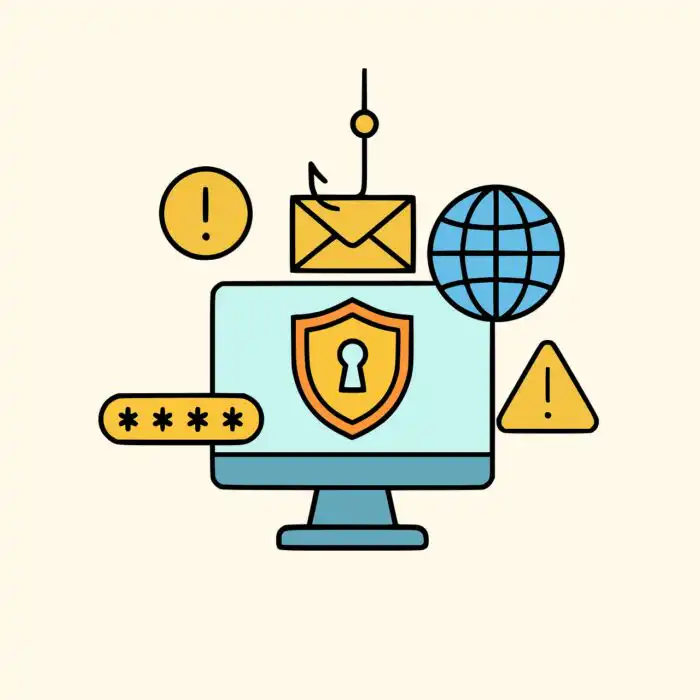

Privacy regulations are changing rapidly, and Australian organisations must prepare for major updates to the Privacy Act. As customer expectations rise and global data laws continue to evolve, every business now needs a clear privacy compliance checklist 2025 to remain secure, compliant, and competitive.
By understanding these reforms early, your organisation can reduce risk, strengthen trust, and ensure its data handling practices meet modern standards.
This guide explains the key changes and provides a practical privacy checklist to help you improve your data protection posture.
Why the Privacy Compliance Checklist 2025 Matters for Your Business
Strong privacy practices help you stay compliant, protect your reputation, and build trust with your clients. Additionally, they ensure you are prepared for the upcoming changes to Australia’s Privacy Act, which will align more closely with global regulations like GDPR.
For additional support, explore our Managed IT Services for Compliance Support and Cybersecurity Services for Privacy Protection, which can help strengthen your privacy, security, and compliance posture.
For official guidance on upcoming reforms, review the Federal Government’s Privacy Act Review updates: https://www.ag.gov.au/rights-and-protections/privacy
Essential Steps in Your Privacy Compliance Checklist 2025
Below is a refined and SEO-optimised privacy compliance checklist 2025, with improved flow, stronger transitions, and actionable explanations.
1. Data Collection Requirements in Your Privacy Compliance Checklist 2025
Businesses should clearly outline what personal data they collect and why. Moreover, they must explain how long the information is stored and how it will be used.
Example:
If you collect contact form enquiries, specify whether they’re used for customer service, sales follow-up, or both.
2. Consent Management in Your Privacy Compliance Checklist 2025
Consent must be active, specific, and easy to withdraw. Additionally, if your data usage changes, you must refresh customer consent. Therefore, ensure your systems can record and track consent events accurately.
Useful guidance is available here: https://www.oaic.gov.au/privacy
3. Third-Party Obligations in the Privacy Compliance Checklist 2025
Most businesses rely on external service providers. Consequently, you must list these third parties and confirm their compliance with Australian and international privacy standards. In addition, review these agreements regularly to ensure ongoing compliance.
4. User Rights and Data Access Controls in the Privacy Compliance Checklist 2025
Customers are legally entitled to greater control over their information. For example, they may request deletion, corrections, access, or data portability. Therefore, your processes must be simple, timely, and well-documented.
5. Security Controls Required by Your Privacy Compliance Checklist 2025
Strong security measures demonstrate that your organisation has taken “reasonable steps” to protect personal information. Therefore, implementing MFA, encryption, endpoint monitoring, and regular audits is essential.
Our Cybersecurity Services for Privacy Protection can help you deploy these safeguards across your environment.
6. Cookie & Tracking Transparency Rules in the Privacy Compliance Checklist 2025
Audit your tracking tools frequently. Furthermore, cookie banners should offer genuine choice rather than nudging users into acceptance. As a result, businesses should adopt privacy-preserving default settings wherever possible.
7. Global Data Considerations for the Privacy Compliance Checklist 2025
If your business handles international data, you must comply with standards such as GDPR or CCPA. Moreover, cross-border transfers are receiving increased scrutiny.
For background, see GDPR guidance: https://gdpr.eu/
Therefore, review your SaaS platforms, integrations, and third-party processors to ensure they meet international data transfer requirements.
8. Data Retention Rules Under the Privacy Compliance Checklist 2025
Organisations should not keep data longer than necessary. Consequently, you must establish clear retention periods and ensure secure deletion or anonymisation.
Example:
Delete old customer support emails after 12–24 months unless legally required to retain them.
9. Governance and Privacy Contact Information
A designated privacy contact or officer helps users submit requests and builds trust. Moreover, it demonstrates to regulators that your business takes accountability seriously.
10. Keeping Your Privacy Policy Updated
Displaying a visible “last updated” date signals active governance. Additionally, it shows users that your organisation keeps pace with regulatory requirements.
11. Children’s Data Protections Under 2025 Privacy Laws
If minors may access your services, stricter data protections are required. Therefore, avoid collecting unnecessary information and review any tracking tools that may interact with children. Additionally, seek parental consent when required.
12. AI Transparency and Automated Decision-Making Rules
AI systems are becoming more common in business workflows. Consequently, organisations must explain how AI influences decisions that affect customers. In addition, individuals must be able to request human review.
New Privacy Regulations Shaping Your Privacy Compliance Checklist 2025
Several new developments are directly shaping your privacy compliance checklist 2025, and understanding them early will help you prepare effectively.
International Data Transfer Restrictions
Cross-border data transfers are under increased scrutiny. Therefore, verify where your data is stored and ensure proper safeguards are in place.
Enhanced Consent Requirements
Consent must be simple, specific, and easy to modify or withdraw. Additionally, businesses must maintain detailed records of consent activity.
AI Governance and Explainability
AI must be explainable, and customers must have access to human review. Consequently, mapping out your AI usage is an important step.
Expanded User Rights Across Regions
More countries are adopting GDPR-style rights. As a result, Australian businesses handling overseas data must adjust accordingly.
Shorter Breach Notification Timeframes
Some regions require notification within 24–72 hours. Therefore, having a clear incident response plan is essential.
Stricter Rules for Children’s Data and Tracking
You may need additional tracking restrictions or cookie settings. Additionally, regulators are focusing more heavily on the digital experiences of minors.
Using This Privacy Checklist to Stay Ahead in 2025
By following this privacy compliance checklist 2025, your business can reduce risk, improve data governance, and build stronger customer trust. Moreover, organisations that prepare early will be better positioned as privacy reforms continue into 2025 and beyond.
If your organisation needs help implementing these requirements, Microsavvy can provide tailored support, tools, and expert guidance for Australian small and medium businesses.
Get in touch with Microsavvy and start your 2025 privacy journey with confidence.