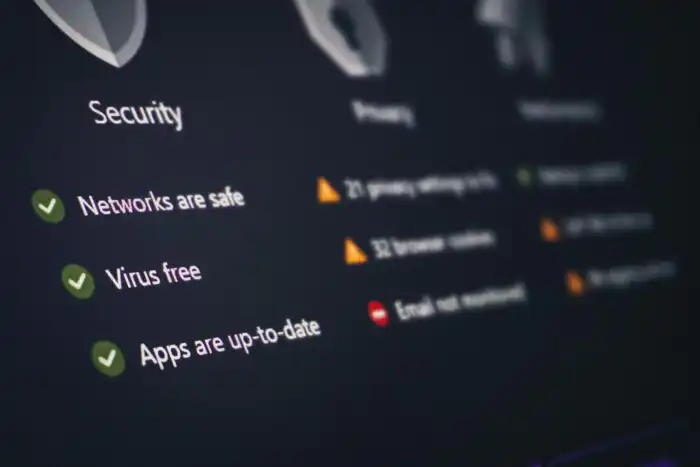

Cybersecurity for SMEs is no longer just an IT issue. It is an important part of protecting your business.
Cyberattacks can disrupt operations, expose customer information and cause financial losses. For Australian small and medium-sized businesses, these risks deserve attention.
Ransomware, phishing scams and data breaches are common concerns. However, strong security does not always require complex solutions.
Business leaders can reduce risks by making informed decisions, training employees and working closely with their IT providers.
Steve Durbin, Chief Executive of the Information Security Forum (ISF), has highlighted the importance of leadership in managing cyber risks.
This article explains how SMEs can strengthen cybersecurity, protect business information and prepare for unexpected threats.
You Can’t Outsource Responsibility for Cybersecurity
Many small businesses use external IT providers to manage their technology.
While these providers handle technical tasks, business owners remain responsible for important security decisions.
For example, an IT provider may manage software updates, backups and network security. However, business leaders still need to understand how these measures protect their organisation.
Clear communication is essential. As a result, everyone knows their responsibilities if something goes wrong.
How SME Leaders Can Stay Involved
Business owners and managers should:
- Understand what their IT provider manages.
- Ask how customer information is protected.
- Request regular security updates.
- Check that backups are tested.
- Know who to contact during a cyber incident.
- Review security risks involving suppliers.
These steps help businesses identify problems before they become serious.
For more information, read our guide to cybersecurity and managed IT services on the Sunshine Coast and in Brisbane.
You can also explore this article about third-party risk management.
Key takeaway: Your IT provider can manage technical security. However, business leaders must remain involved in important decisions.
Why Cybersecurity for SMEs Requires Strong Leadership
Cybersecurity is not only the responsibility of IT professionals.
Business owners and managers also have an important role. Their decisions affect how well a business prepares for cyber threats.
For example, ransomware can prevent employees from accessing files. Similarly, phishing scams can lead to stolen passwords or fraudulent payments.
Without clear leadership, these problems can become harder to manage.
Therefore, cybersecurity should be part of regular business planning.
Practical Cybersecurity Steps for SME Leaders
Business leaders can improve security by:
- Discussing cyber risks during management meetings.
- Providing regular staff training.
- Reviewing security reports.
- Understanding the incident response plan.
- Setting aside resources for important security improvements.
In addition, employees should know how to report suspicious activity.
The Australian Cyber Security Centre provides useful guidance for Australian businesses.
Key takeaway: Strong cybersecurity starts with clear leadership and shared responsibility.
Cybersecurity for SMEs: Understanding Regulations
Australian businesses must consider their privacy and cybersecurity obligations.
However, the rules can differ between industries. They may also depend on business size and the information being handled.
For example, some businesses have obligations under the Privacy Act 1988.
Other organisations may need to meet industry-specific security requirements.
Therefore, business owners should understand which rules apply to their operations.
How to Prepare for Compliance Requirements
Start with these practical steps:
- Review how personal information is collected and stored.
- Identify the laws and standards that apply.
- Keep security policies up to date.
- Check who can access sensitive information.
- Monitor changes to relevant regulations.
- Seek professional advice when needed.
Businesses working with overseas customers may also face international requirements.
For example, the EU AI Act may be relevant to certain organisations operating in the European market. However, it does not automatically apply to every Australian SME.
Key takeaway: Understanding your obligations helps protect information and reduce compliance risks.
Cybersecurity for SMEs Is a Business Investment
Cybersecurity should not be seen as just another IT expense.
Instead, it helps protect business operations, customer trust and important information.
A cyberattack can lead to downtime, lost income and recovery costs.
For example, employees may be unable to access files or process customer requests during an incident.
As a result, even a short disruption can affect productivity.
Good security measures can help reduce these risks.
Where Should SMEs Invest in Cybersecurity?
Businesses should focus on the areas that matter most to their operations.
Important measures include:
- Multi-factor authentication (MFA): Adds another layer of protection to business accounts.
- Secure backups: Helps businesses recover important information.
- Endpoint protection: Helps protect computers and other devices.
- Software updates: Fixes known security weaknesses.
- Staff training: Helps employees recognise scams.
- Incident response planning: Explains what to do when a cyber incident occurs.
In addition, cyber insurance may help cover certain costs after an insured incident.
However, insurance does not replace good security practices.
Read our cyber insurance FAQ for small businesses to learn about common coverage and exclusions.
You can also explore Microsavvy’s Cybersecurity Services for practical business protection.
Key takeaway: Investing in cybersecurity can help prevent disruption and support business growth.
Why Staff Training Matters for Cybersecurity for SMEs
Security software is important. However, technology alone cannot prevent every cyberattack.
Employees also play a key role in protecting business information.
For example, a phishing email may appear to come from a trusted supplier. It could ask an employee to open a link or approve a payment.
Without training, the employee may not recognise the warning signs.
Therefore, staff awareness should be part of every cybersecurity plan.
How to Build a Security-Aware Team
Businesses can help employees by:
- Providing regular cybersecurity training.
- Explaining how to recognise phishing emails.
- Teaching staff to check unusual requests.
- Encouraging early reporting of suspicious activity.
- Using clear payment approval procedures.
- Running suitable phishing awareness exercises.
For example, employees should verify unexpected payment requests using trusted contact details.
This simple step can help prevent invoice fraud.
For more advice, read our cybersecurity tips for 2025.
Although published in 2025, many of these security tips remain useful.
Key takeaway: Staff training helps employees recognise threats and respond before serious damage occurs.
Cybersecurity for SMEs and the Rise of AI Threats
Artificial intelligence is changing how cybercriminals create scams.
For example, AI can help produce convincing phishing emails and fake voice messages.
These scams may appear to come from a manager, supplier or trusted contact.
As a result, employees may find it harder to recognise suspicious requests.
However, AI can also support cybersecurity.
Some security tools use AI to detect unusual activity and help identify possible threats.
How SMEs Can Manage AI-Related Cyber Risks
Businesses should:
- Train employees to recognise AI-generated scams.
- Verify unexpected payment requests.
- Use multi-factor authentication.
- Monitor unusual account activity.
- Review AI tools used by employees.
- Keep an incident response plan ready.
In addition, businesses should set clear rules for using public AI tools.
For example, employees should avoid entering confidential customer information into unapproved platforms.
These rules can help protect sensitive business data.
Key takeaway: AI can create new risks. However, clear policies and good security practices can help businesses manage them.
How to Build an Effective Cybersecurity Strategy for SMEs
A good cybersecurity strategy does not need to be complicated.
Instead, it should focus on protecting the systems and information your business relies on.
For example, secure access, reliable backups and staff awareness can make a meaningful difference.
However, these measures need regular attention.
Five Steps to Strengthen Your Cybersecurity
- Review your current security. Identify weaknesses in business systems, accounts and everyday processes.
- Protect important information. Use secure backups, access controls and multi-factor authentication.
- Train your employees. Help staff recognise scams and report unusual activity.
- Prepare for incidents. Create a response plan and test how your business would recover.
- Review security regularly. Work with your IT provider to monitor risks and improve protection.
Together, these steps provide a practical starting point.
For more guidance, read our guide to cybersecurity solutions on the Sunshine Coast.
Key takeaway: A clear cybersecurity strategy helps businesses protect their operations and prepare for unexpected problems.
Protect Your Business with Microsavvy
Cybersecurity for SMEs requires ongoing attention.
However, protecting your business does not have to involve complicated technology or confusing advice.
The first step is understanding your risks. From there, you can decide which improvements matter most.
At Microsavvy, we help businesses across the Sunshine Coast and Brisbane strengthen their cybersecurity.
Our team provides practical advice, managed IT support and security solutions suited to business needs.
Whether you need to review existing protection or improve staff awareness, we can help you plan the next steps.
Want to strengthen your business’s cybersecurity?
Explore our Cybersecurity Services to learn how Microsavvy can help protect your business.